
Is There a Bath in Prison?
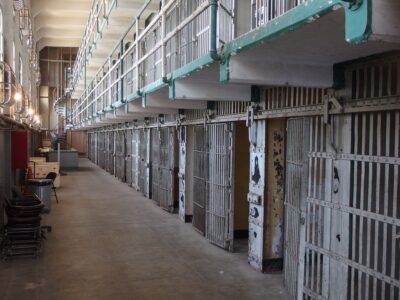
In prisons, hygiene and cleanliness are among the basic needs of prisoners. In this context, the opportunity and conditions for bathing in prisons are an important issue. In this article, how bathing is organized in prisons will be explained with rules and examples.
1. Hygiene and Cleanliness in Prisons
The Importance of Hygiene: Providing hygienic conditions in prisons is of great importance for the physical and mental health of prisoners. Cleanliness is necessary both to protect personal health and to maintain social order.
2. Bathroom Facilities
a. Bathroom Areas
Shared Bathrooms: There are usually shared bathroom areas in prisons. Inmates can use these areas at certain hours.
Private Bathrooms: In some high-security prisons, private bathroom areas may be allocated to prisoners under certain conditions.
b. Frequency of Bathing
Weekly Schedule: The frequency of bathing of prisoners may vary depending on the prison regulations. In most prisons, inmates have the right to bathe at least once a week.
Emergencies: In certain cases, such as illness or dirt, inmates may bathe more frequently.
3. Bathing Process
a. Permission and Supervision
Supervised Bathing: In prisons, inmates are usually supervised while bathing. This is implemented for security reasons.
Permission Process: Inmates are directed to bathing areas with a specific permission process to bathe.
b. Cleaning Products
Restrictions: In prisons, the cleaning products and materials that can be used while bathing may be limited. In general, inmates are provided with certain hygiene products.
Using Your Own Products: In some prisons, inmates may have the right to bring their own cleaning products. However, this may be restricted for security reasons.
4. Example Cases
a. Inmates in Intensive Care
Special Needs: Inmates receiving treatment in intensive care usually have the opportunity to bathe under hospital conditions. In this case, they are supported by nurses or healthcare personnel.
b. Women’s Prisons
Special Regulations: In women’s prisons, there are special regulations to meet hygiene needs. In these prisons, bathing times and products are determined according to the needs of female prisoners.
5. Psychological Effects of Bathing in Prison
Effect on Mood: Bathing can have a positive effect on prisoners’ mood. Cleanliness and hygiene can help prisoners feel better.
Social Communication: Shared bathroom areas can also increase social interaction among prisoners. This can strengthen the sense of solidarity and sharing.
6.
The opportunity to bathe in prisons is very important in terms of meeting the basic hygiene needs of prisoners. Although bathing processes are subject to certain rules and restrictions, this situation positively affects the health and psychological state of prisoners. Hygiene is of critical importance in terms of protecting the social order and the health of individuals in prisons.

İçindekiler